Description
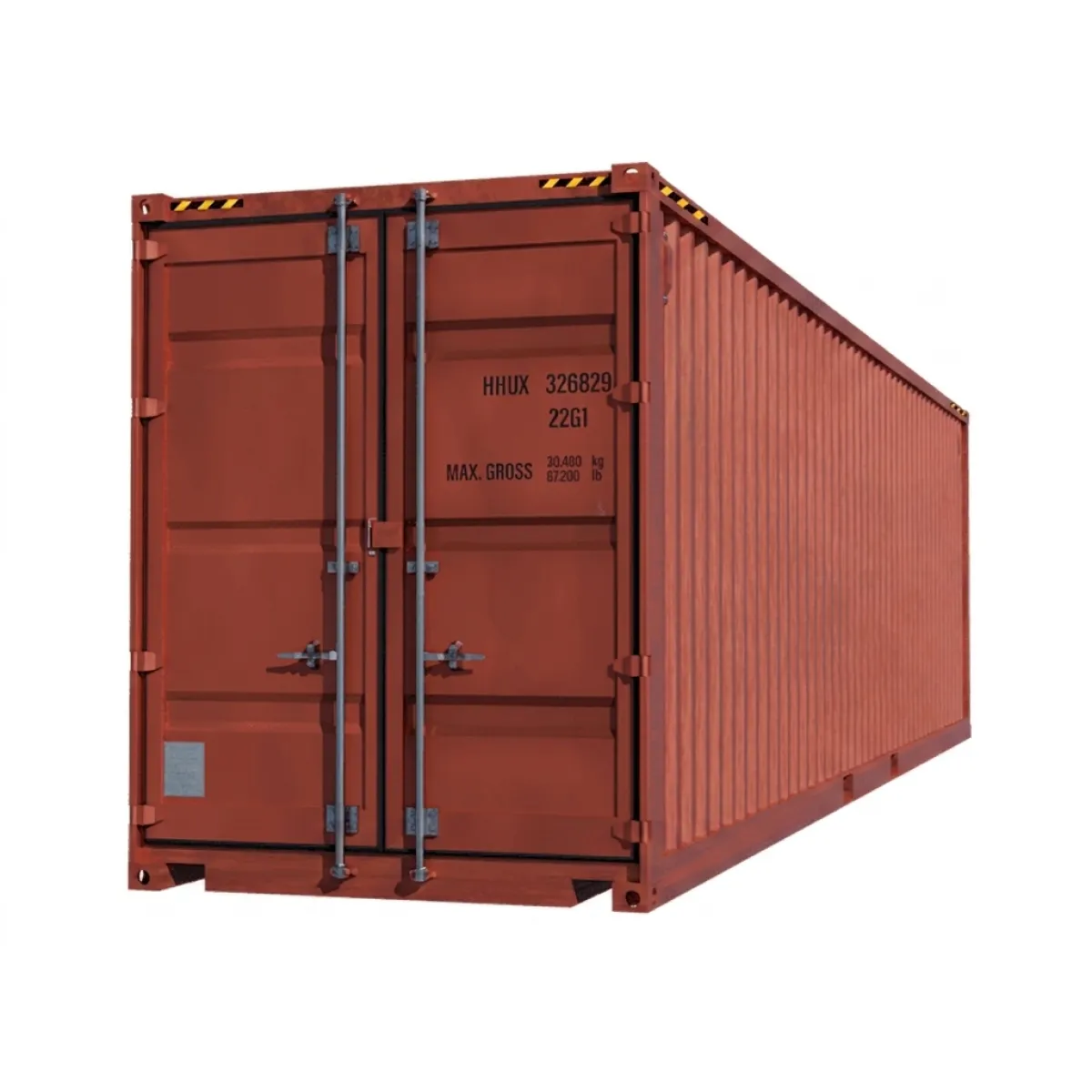
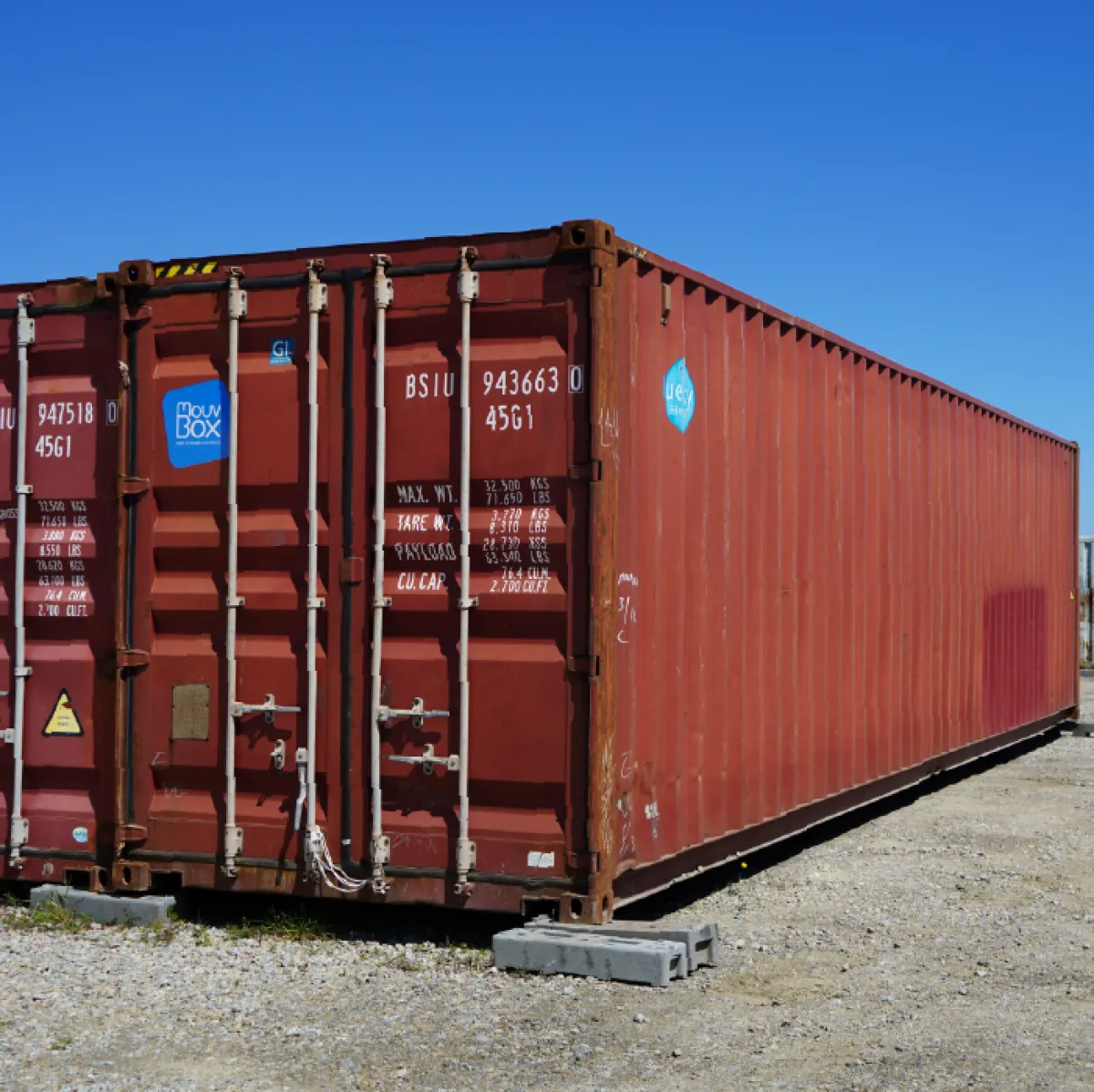
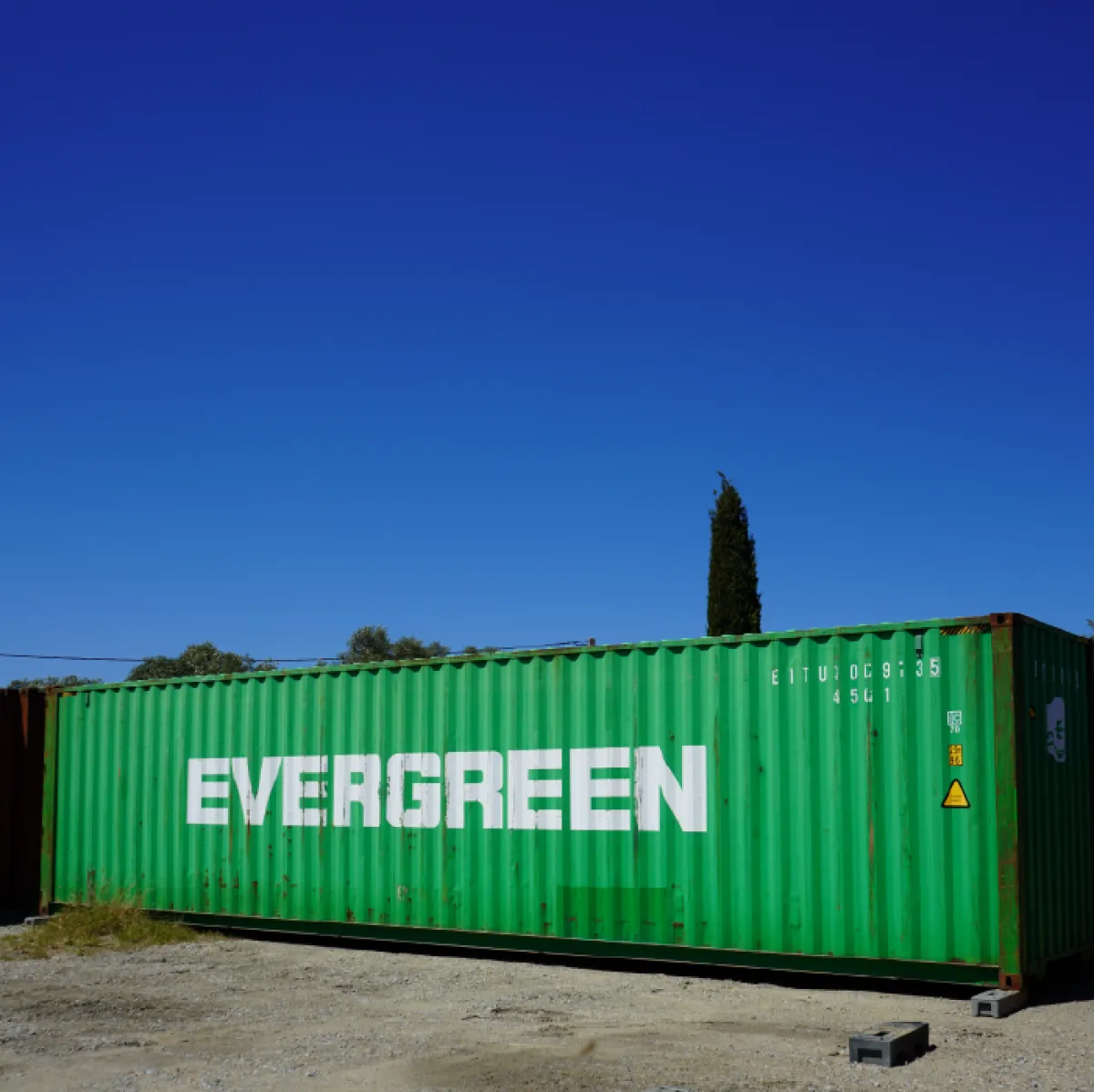
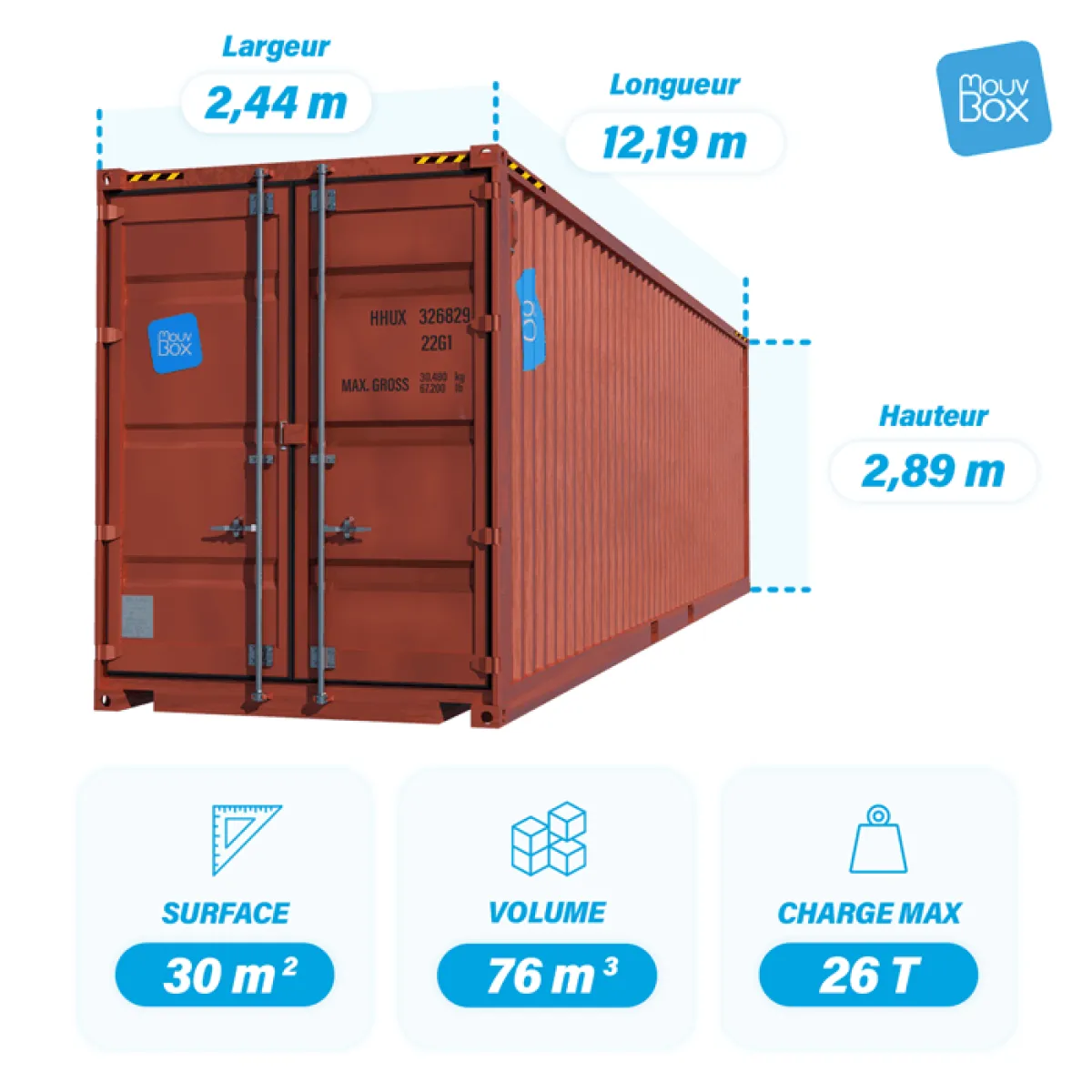
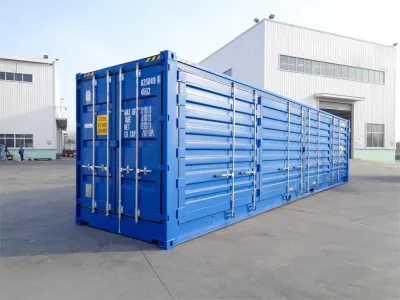
♻️ Why choose a used container? Buying a 40 ft used watertight container is a full part of a reuse logic. After many years at sea (between 10 and 15 years), these robust structures leave the maritime circuit but retain strong usage potential. Giving them a second life makes it possible to limit the manufacture of new containers, which consumes large amounts of resources. It is a sustainable and economical solution, ideal for combining storage volume and reduced impact. 💁 40 ft used High Cube watertight container: what uses? The 40 ft High Cube used shipping container is particularly suited to users looking for maximum storage volume. On the professional side, it meets the needs of companies and of agricultural or industrial activities for storing bulky equipment or oversized goods. On the private side, it can be used to store large-sized equipment or to optimise the available space thanks to its additional height. Robust and watertight, it adapts perfectly to outdoor use, even for demanding needs. 📐 What does High Cube mean? The High Cube designation indicates a height greater than that of a standard model, with a height of 2.89 m on the outside and 2.69 m on the inside. This additional 30 cm of height represents a 12 % gain in volume, making it possible to store bulky equipment more easily or to optimise vertical storage. It is particularly appreciated in fit-out projects, since it offers more comfort for moving around or working standing up. An ideal solution for gaining space without increasing the footprint. 🏅 Condition of the container: what does Class A mean? The 40 ft used “Class A” High Cube container corresponds to the highest standard on the used market. Despite around ten years of use at sea, it is selected for its structural qualities and its ability to be used immediately. Its appearance does, however, show visible irregularities, such as dents, rust marks, paint that needs refreshing, a damaged floor or doors that are more difficult to open. This does not in any way detract from its robustness or reliability for storage, even in outdoor conditions. 🔍 Is this used container reconditioned? Each used watertight shipping container undergoes a rigorous inspection before being put on the market. The aim is to guarantee a functional product, ready to be used as soon as it is delivered. Essential points are checked: watertightness, structural integrity, floor condition, as well as proper operation of doors, hinges and locking systems. Any defects identified are corrected to ensure safe use. Following this inspection, the container is certified WWT (wind & watertight), guaranteeing complete watertightness and effective protection of stored goods. 🚢 Can Class A go to sea? The 40 ft used High Cube Class A container can be used for maritime transport, but only as part of a last voyage. This possibility is governed by the issuing of a temporary CSC certificate, to be requested at the time of purchase. This certificate guarantees that the container is still compliant for a single sea voyage, over a limited period of time (about 6 months). After this period, it is no longer allowed to sail, even though it retains all its qualities for storage use. 🎨 Can I choose the colour of my container? It is not possible to select the colour of a 40 ft used High Cube watertight container (Class A / last voyage) before purchase. Each container comes from the international maritime circuit and retains its original appearance. The colour varies according to its history, and may show signs of age: patinated paint, worn areas or traces of corrosion. Containers are allocated according to stock availability. If visual appearance is an important criterion for your project, you can turn to a one-trip container, with the possibility of choosing a colour according to the RAL of your choice. 🔧 How do I maintain my Class A used container? A 40 ft used High Cube watertight container (Class A / last voyage) already shows visible signs linked to its use in maritime conditions, such as corrosion or worn paint. Suitable maintenance allows you to limit their evolution and to preserve its performance over time. It is advisable to intervene on marked areas: light sanding, application of an anti-rust product and paint touch-ups if needed. Greasing of hinges and locking systems also contributes to ensuring smooth daily use. Checking the door seals is important to preserve watertightness. As with any container, installation on a stable, well-drained base remains essential to limit the effects of moisture, particularly under the floor. To go further… Do I need a building permit to install my container? Read the article How can I easily maintain a container? Read the article Which dimensions should I choose to match my needs? Read the article Download the technical datasheet


 Personalised quote required
 Personalised quote required
 Personalised quote required
 Personalised quote required